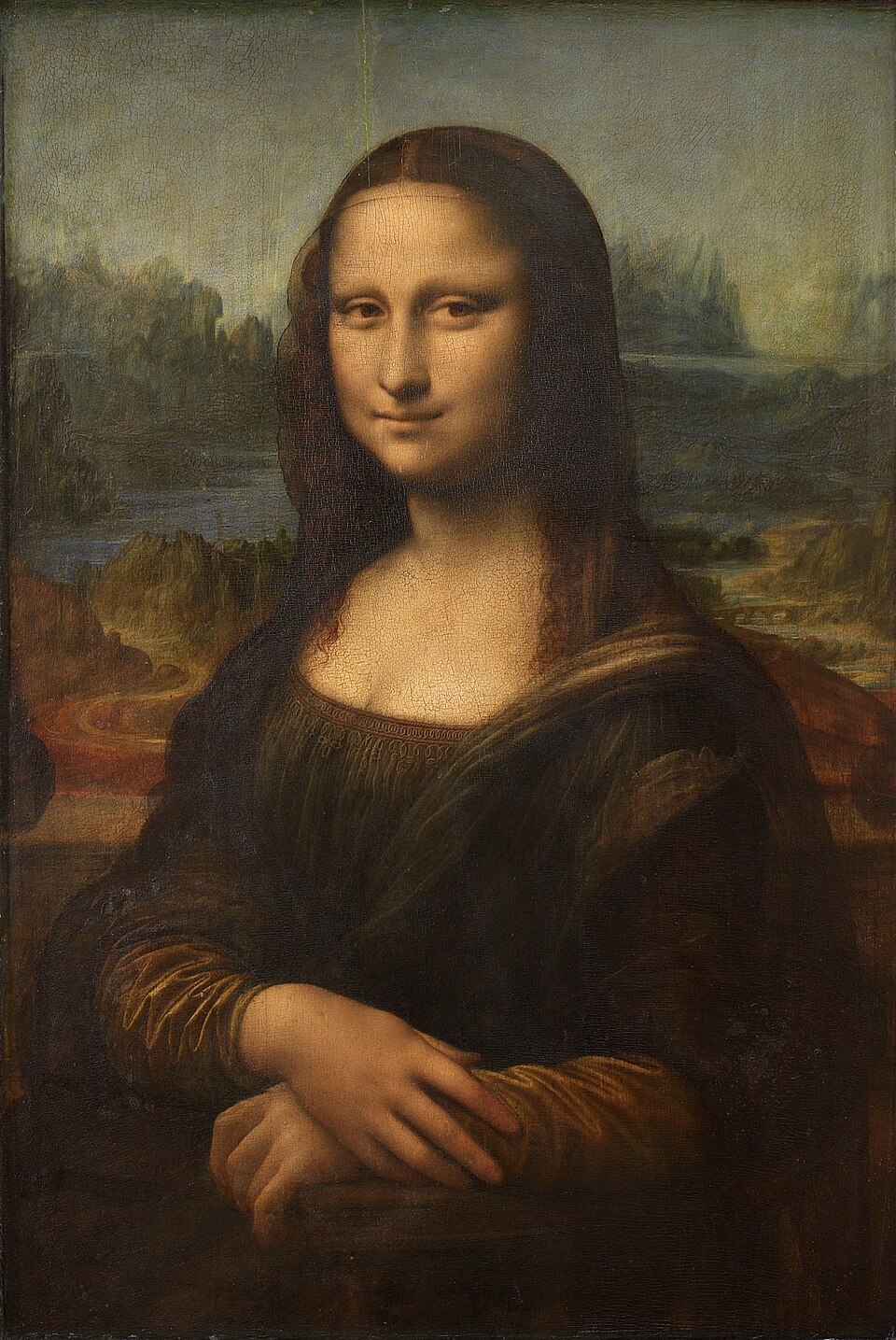
Fusion infrastructure architecture of virtual masterpiece gallery and color encyclopedia
This system is a professional platform for reinterpreting the visual assets of Impressionist and classical paintings released in the public domain in the digital space and sublimating them to a dimension of color analysis that goes beyond mere image viewing.
Using a computer science approach, we dismantle the complex color gradations created by the unique pigment combinations and brush strokes of famous paintings and reconstruct them as quantitative data sets.
This foundation reinterprets the reflection of light on canvas and the depth unique to oil paintings as a collection of pixels on a digital display, and plays the role of intersecting art historical values with modern front-end technology.
Users will be able to interpret the countless layers of paint applied to a canvas as mathematical color coordinates through a window called a browser, providing an environment where they can directly refer to the color theory derived intuitively by past masters in the context of digital design.
Pixel color histogram analysis and internal processing of the main color extraction engine
When high-resolution painting image data of interest is loaded into the system, the pixel color histogram analysis engine is first activated to scan the entire image and measure its distribution in color space.
Specifically, it samples the intensity values of each RGB channel for the millions of pixels that make up the image, and performs clustering processing in a three-dimensional color space.
In this process, we apply non-hierarchical clustering algorithms such as K-means to identify the main hues that occupy the dominant area within the painting.
The extracted primary colors are immediately converted to standard hexadecimal color codes and RGB values and stored in memory as array data.
This extraction engine does not simply calculate the average color, but also has the characteristic of separating the main colors that have the most impact on human visual perception with a high degree of accuracy, while tolerating minute color variations caused by the pointillism and visual mixing effects seen in Impressionist paintings.
As a result, a mechanism has been established to dynamically generate a harmonious color palette from a single masterpiece.
Implementation of famous painting filtering by specified color and color palette search algorithm
A unique color palette search algorithm is incorporated to quickly extract works that match the specific color conditions desired by the user from a vast database of masterpieces.
When the user enters the desired hexadecimal color code or selects a specific hue on the color space, the system performs color difference calculations with the pre-calculated color histogram features of each work.
Here, by adopting the CIEDE2000 color difference formula, which is close to human color vision characteristics, we evaluate visual proximity that cannot be measured by simple Euclidean distance in RGB space.
This algorithm preferentially filters works that contain a large proportion of the specified color in terms of area ratio, or works in which that color plays a decisive role in the composition, and presents them as search results.
This search mechanism allows designers to traverse art history archives using the purely visual element of color as a search key when looking for inspiration based on a specific brand or theme color.
Integration of high-resolution vector art preview and multifaceted artist information metadata
Alongside the extracted color data, a high-resolution vector art preview function has been implemented to maximize the visual appeal of the masterpiece itself.
Drawing optimization has been applied to compensate for the limitations of raster images and maintain beautiful outlines and color boundaries even when scaling, allowing detailed brush strokes and traces of canvas texture to be observed smoothly on the browser.
At the same time, each work's preview screen generates a container that accurately reproduces the canvas's original aspect ratio, preserving the work's original proportions.
In addition, structured information panels on the screen display detailed metadata that provides art historical context, such as the date of creation, the physical characteristics of the media used, and the techniques of the artist's school of art.
As a result, quantitative color data and artistic background knowledge are synchronized on the same interface, creating an information architecture that promotes a multifaceted understanding of the work.
Asynchronous rendering of painting data and extracted colors using browser local processing
The entire process of image analysis and color extraction in this system uses a local processing model that is completed within the client-side browser environment without relying on server-side resources.
By acquiring image pixel data using the Canvas API and background processing of heavy clustering operations using web workers, we achieve smooth asynchronous rendering while avoiding UI blocks on the main thread.
Each swatch of the extracted color palette is dynamically generated as a DOM element and neatly laid out directly below the painting preview image.
This local rendering method eliminates the delays and privacy concerns of sending large amounts of image data over a network, creating a highly responsive color analysis environment that directly leverages the computing power of users' devices.
Interactions where hovering over each color swatch instantly displays the corresponding color information as a tooltip also benefit from this local processing.
One-click copy mechanism and its application to obtaining color inspiration for web design
One-click color code copy functionality via clipboard API is included to seamlessly integrate extracted masterpiece color palettes into your actual design workflow.
The moment a user clicks on a particular color swatch, the hexadecimal or RGB representation of that color is stored in the system's clipboard, and a notification with visual feedback is fired at the same time.
Furthermore, it has a function that permanently saves the extracted color combinations as a single palette set in the browser's local storage, making it possible to instantly reuse past analysis results in later design work.
Through this system, the aesthetic experience of viewing art is transformed into a practical process of collecting practical color patterns based on color theory.
It is designed to be a powerful bridge to directly incorporate the harmonious laws of color that painters of the past spent their lives exploring as a source of inspiration for modern web design, user interface construction, or graphic creation.